Tim Ransom
Table of Contents
1. About me
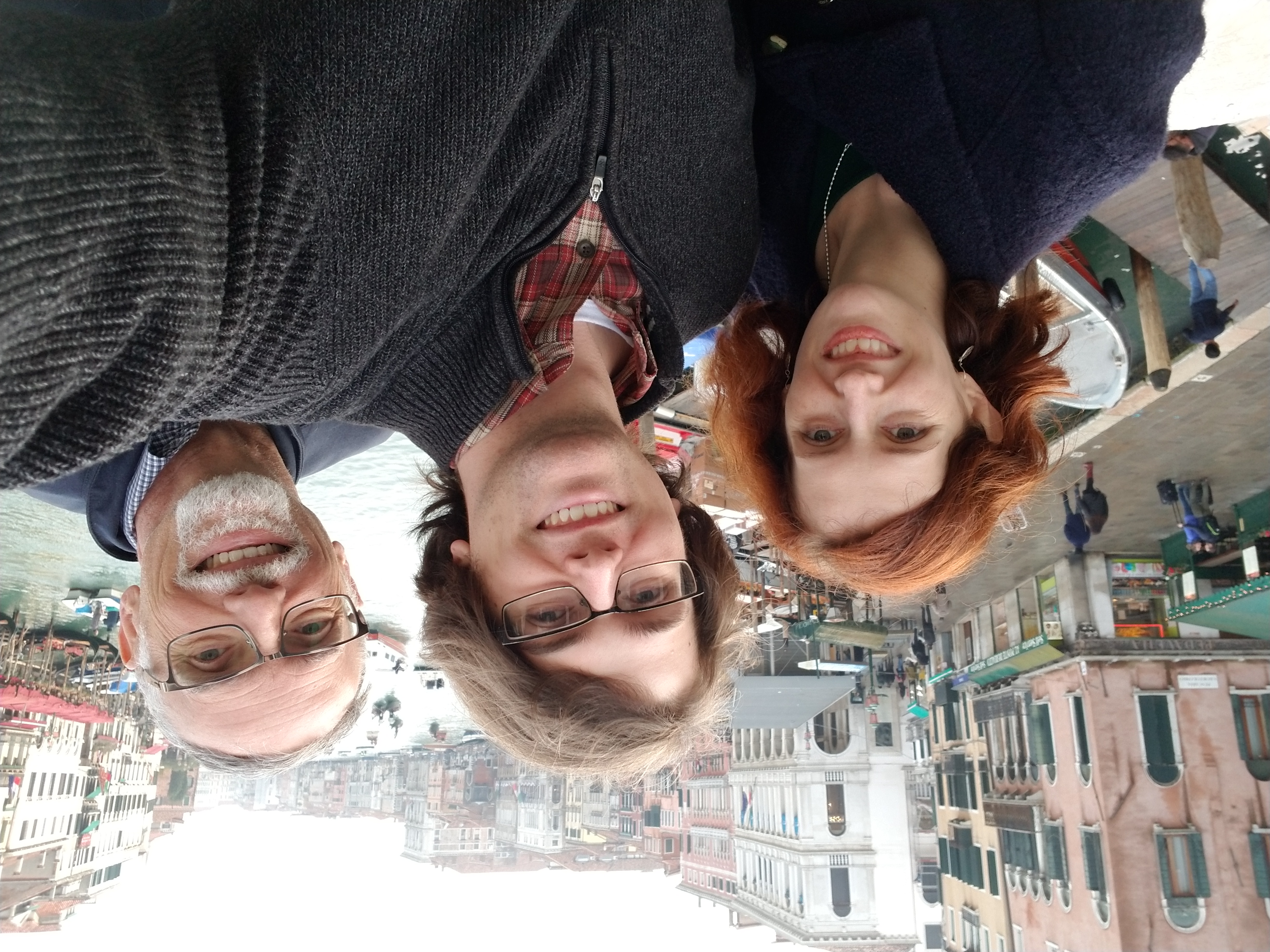
1.1. Present
I am a Lecturer (Faculty of Instruction) in the Clemson University School of Computing, where I teach computing ethics, applied data science, and introductory computing, and advise undergraduate computing majors. I finished my PhD in computer science education in Clemson's Engineering and Science Education department in 2025.
1.2. Background
My PhD is in computer science education from the Clemson Engineering and Science Education department, I have a masters degree in computer science from Clemson University, and two bachelors from Appalachian State University in computer science and computational mathematics.
Before joining the faculty I worked as an education research methodologist with the University of Kentucky, a data analyst with the University of South Carolina, and a software engineering intern with the U.S. Army DEVCOM Ground Vehicle Systems Center.
2. Research Interests
My dissertation, Becoming A Computer Scientist (2025), investigated the experiences of computer science undergraduate students developing their professional identities. What does it mean to them to become computer scientists?
Current and "side" projects include:
- AI in computing and engineering education
- curriculum analytics with the MIDFIELD dataset
- natural language processing of social media
- ethics education in STEM
- developing interdisciplinary communities of practice
- interdisciplinary curriculum analysis
- computational thinking development
- technology in classrooms
3. Upcoming Talks
- October 8, 2026
- AI, Ethics, and You, public talk in the Explain It Like I'm Drinking series, Kite Hill Brewing, Clemson
- October 29, 2026
- Leveraging AI to Redesign Assignments, CECAS KEEN Bites & Insights workshop
4. Awards and Grants
- 2026
- CECAS KEEN Accelerate Community of Practice Facilitator
- 2026
- Co-PI, Clemson Media Forensics Hub Seed Grant (submitted)
- 2026
- Co-PI, IMLS National Leadership Grant proposal, Project BRIDGE
- 2025
- Clemson Libraries Open Educational Resources (OER) Award, for Applied Data Science
- 2024
- IEEE Frontiers in Education New Faculty Fellow
5. Publications
Selected papers; the full list is in my CV.
- 2026
- Ransom & Damas, WIP: Vectorized Interdisciplinary Overlap between STEM Domains using the MIDFIELD Dataset, ASEE Annual Conference
- 2026
- Boyer et al., Expanding Implementation of an AI Conversational Agent to Support Troubleshooting in an Engineering Lab Environment, ASEE Annual Conference
- 2025
- Anoop et al., Adapting Instructional Labs for Remote Delivery During the COVID-19 Pandemic, ASEE Computers in Education Journal
- 2025
- Ismail et al., AI Chatbot for Enhancing Troubleshooting in Engineering Labs, ASEE Annual Conference
- 2024
- Shakour, Ransom, et al., Learning from the COVID-19 pandemic: Improving academic continuity in workforce development programs, New Directions for Community Colleges
- 2024
- Ransom, Damas & Boyer, WIP: Detecting Computing-Enabled Interdisciplinary Domains Using the MIDFIELD Data Set, Frontiers in Education
- 2024
- Ransom, Boyer & Huff, WIP: An Interpretive Phenomenological Analysis of Computer Science Undergraduate Student Professional Identity Development, Frontiers in Education
- 2024
- Ransom et al., Exploring the Role of Self-Efficacy in Entrepreneurial Decision-Making: An Action Research Study, ASEE Annual Conference
- 2024
- Ransom, Sims & Manning, Community Cultural Wealth from an Engineering and Science Education Department, ASEE Southeastern Section
- 2019
- Davis, Hirst, Pardo & Ransom, Reverse mathematics and colorings of hypergraphs, Archive for Mathematical Logic
6. Conference Presentations
- SSERC 2024
- A Quantitative Ethnography of Computer Scientist Identity
- XDBER 2023
- Topic modeling communities of practice to identify learning barriers
- SSERC 2023
- A community of practice for STEM education graduate students: Lunch and Learn
- SSERC 2022
- Leveraging mathematics identity in pursuit of computing identity: a literature review
7. Teaching
I see teaching as bringing novice computer scientists into the wider computing community, so professional responsibility and ethics sit alongside technical skills in every course I teach. My classes lean on collaborative, community-oriented learning: frequent pair work with rotating partners, and regular anonymous check-ins so students can shape how the course runs. I reflect on my practice using Korthagen's ALACT model and design courses against the Quality Matters rubric.
"He always checked on everyone and was able to help every student. He also treated everyone with respect and made everyone feel heard." (student evaluation)
7.1. Office Hours, Fall 2026
Mondays 9:00–10:00 AM and Tuesdays 9:00–11:00 AM in McAdams Hall 129. No appointment needed; email me if neither time works.
7.2. Courses Taught
- Computing, Ethics, and Global Society (CPSC 2920)
- Spring 2024, Fall 2024, Fall 2025, Fall 2026
- Applied Data Science (CPSC 4300/6300)
- Spring 2025, Spring 2026
- Applied Data Science, online M.S. (CPSC 6300)
- Spring 2025, Fall 2025, Spring 2026, Fall 2026
- Computational Thinking (CPSC 1210)
- Fall 2023, Fall 2025
- Introduction to Programming in Python (CPSC 1050)
- Spring 2026
- Software Engineering (CPSC 3720)
- Spring 2027
8. Software Projects
- org-canvas
- Two-way sync between Canvas LMS courses and Org files, in Emacs
- course-sequence-analysis
- How course sequencing relates to graduation, using MIDFIELD data
- litExplor
- An R addon to aid in literature review search term narrowing
9. Links
Email is the best way to get in contact with me:
McAdams Hall 129, School of Computing, Clemson University, 821 McMillan Rd, Clemson, SC 29631
But here are a few places that I exist digitally as well
10. CV
Pull my cv here:
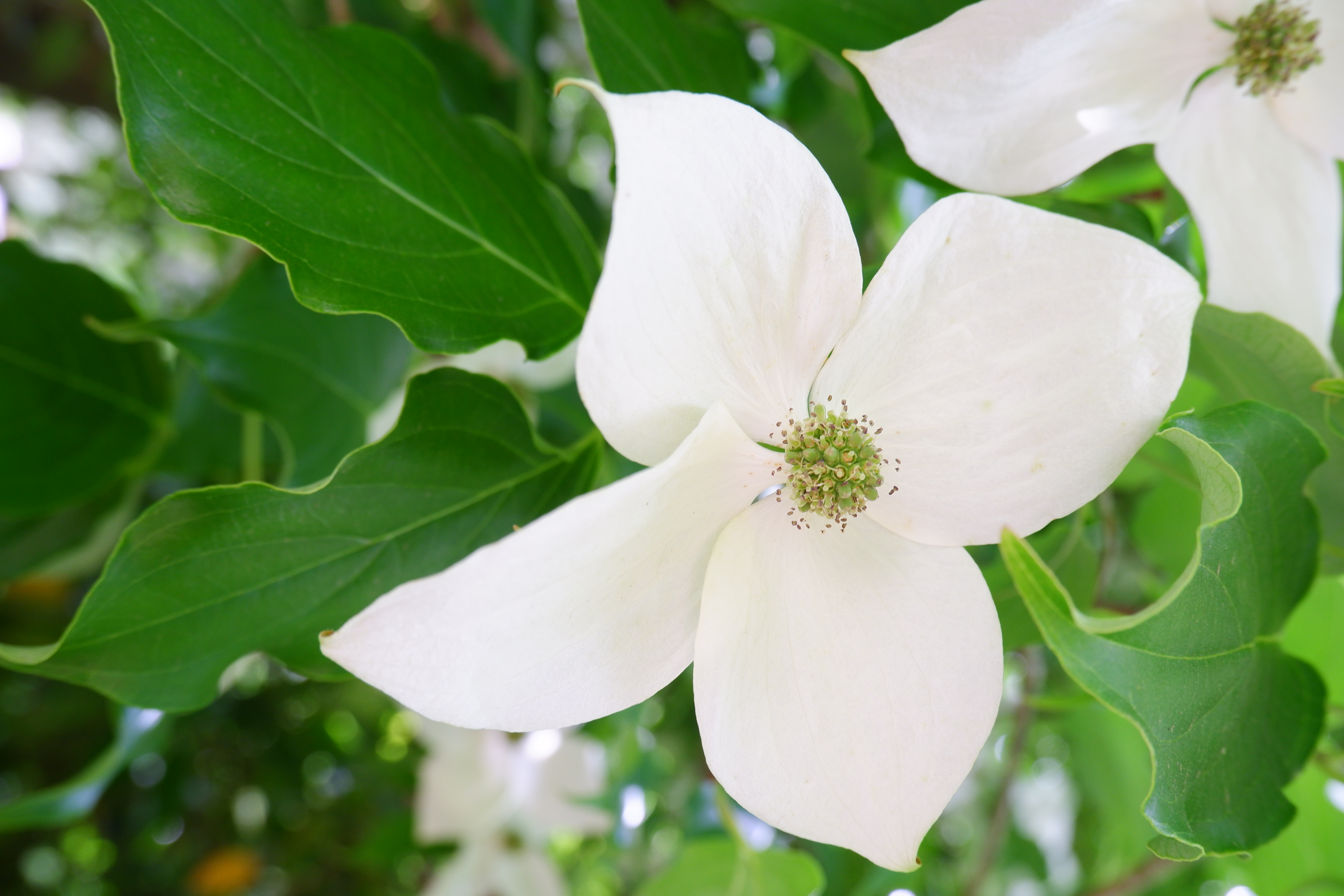
11. Pictures
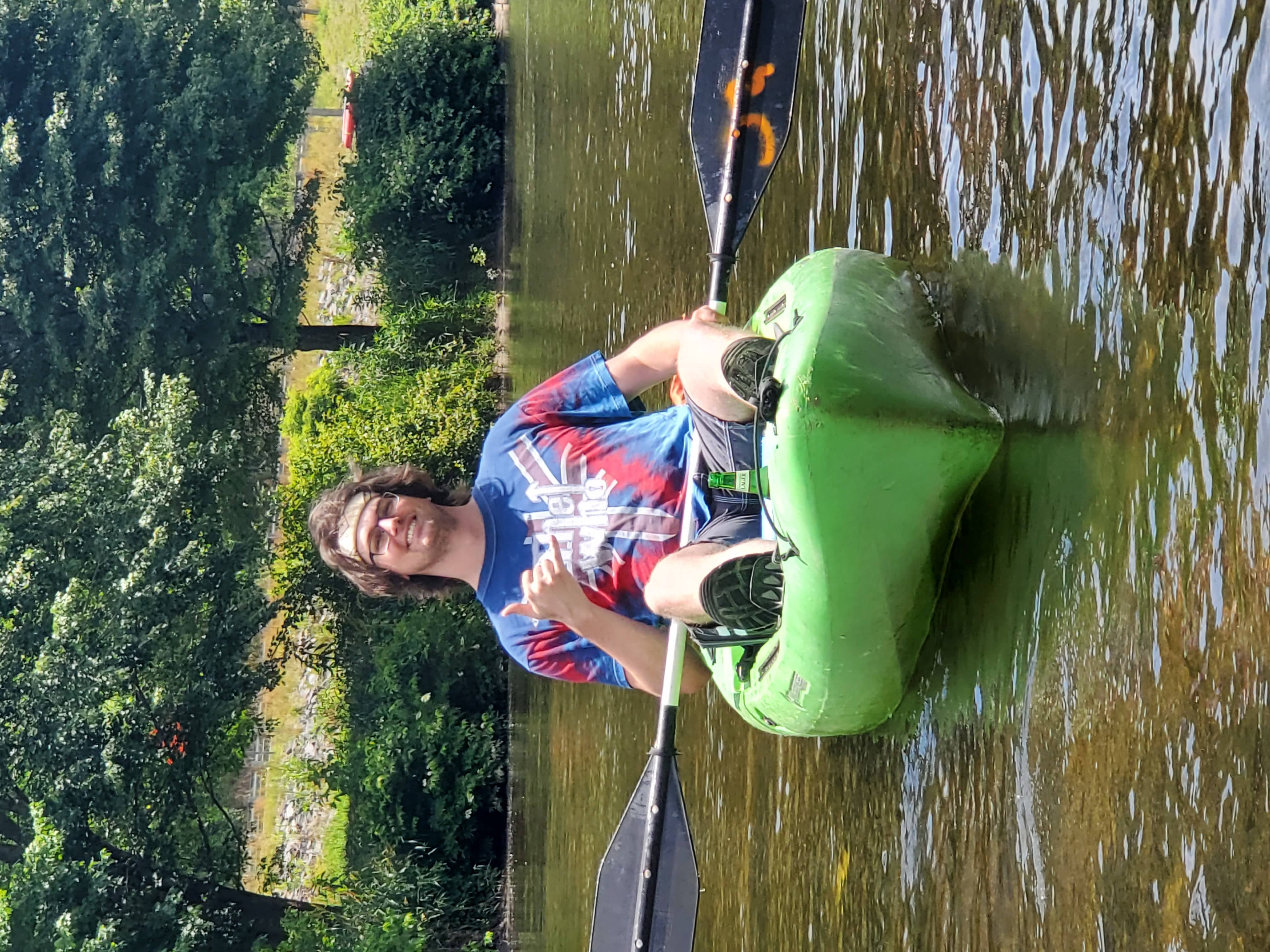
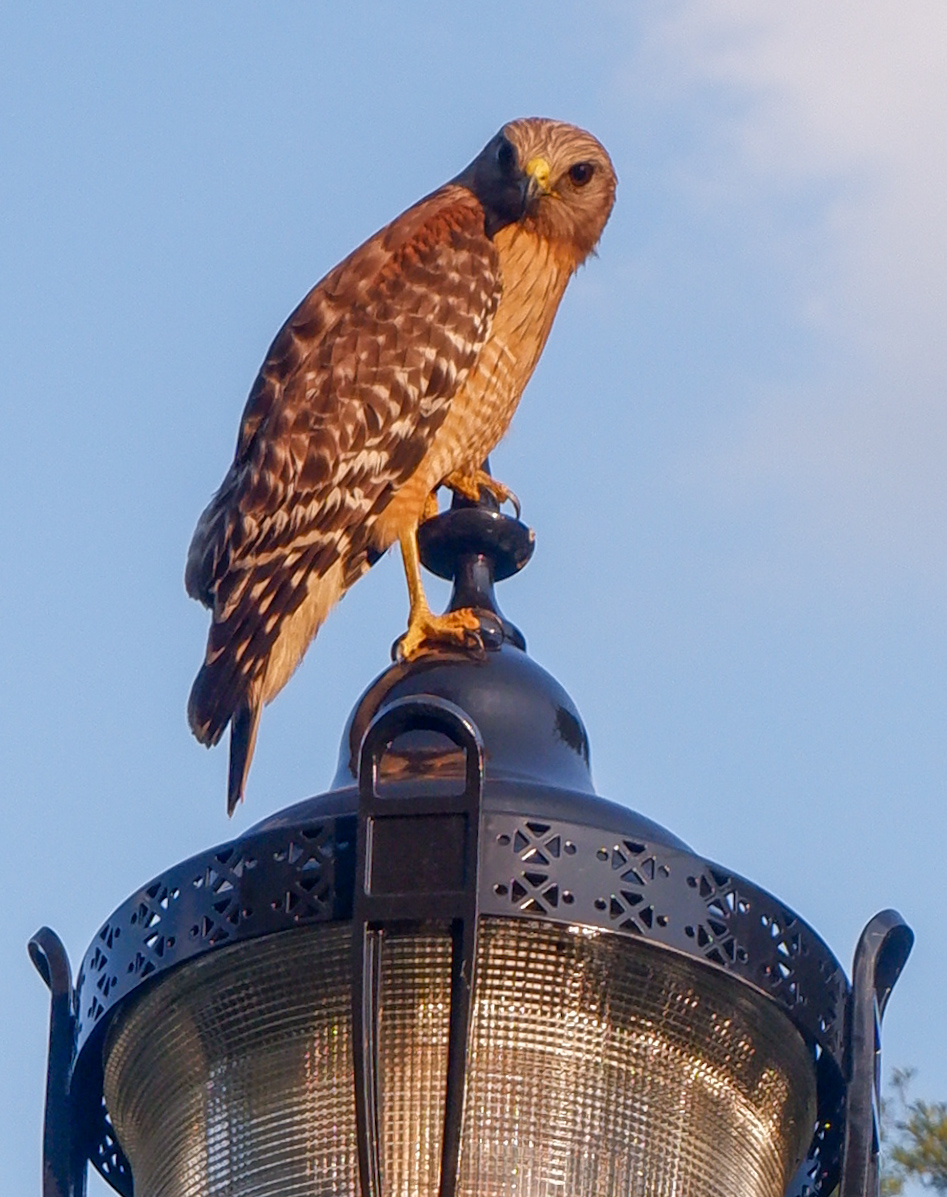
Just some photos I've taken that I think look nice
12. License
Site theme: ReadTheOrg, GPL-3.0. Text © Tim Ransom, licensed CC BY 4.0. Photos © Tim Ransom, all rights reserved.